In everyday life, few things are more irritating than a toilet that refuses to refill. This problem, far more common than you might think, can turn a simple routine into a real headache. Your toilet flushing system is a complex assembly of parts, and sometimes, a minor malfunction is all it takes to throw everything out of whack.
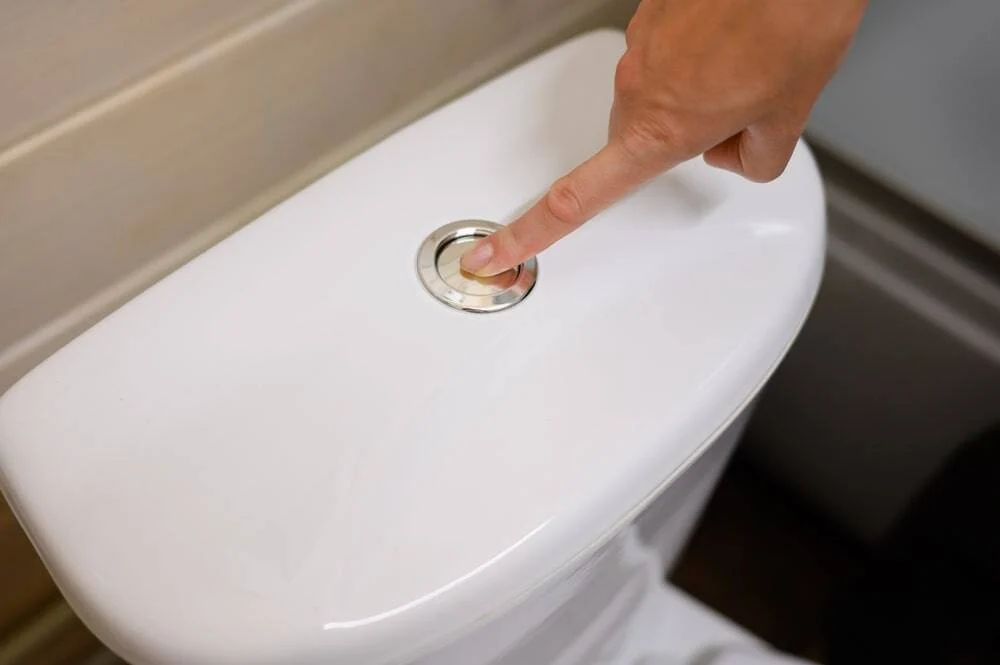
Understanding the toilet flushing mechanism
Before delving into the solutions, it is crucial to understand how a toilet flush works. The system relies on a set of gears where the tank, float, flapper, and fill valve must work together seamlessly.
The role of the reservoir and the float
The tank stores the water needed for each flush.
The float, meanwhile, resembles a small cap attached to an arm. It plays a key role in regulating the amount of water entering the tank .If the tank isn’t filling, it’s often due to a problem with this mechanism.
The filling tap and the valve
The fill valve, often located on the side of the tank, controls the water supply . I open and close depending on the position of the float. The flapper, on the other hand, releases the water stored in the tank into the bowl when you flush .
To resolve the problem, it is essential to fully understand these interactions. In case of malfunction, a simple adjustment, cleaning, or replacement might be enough to restore order.
The operating cycle
In a normal cycle, the tank will first empty when the toilet is flushed. The water in the tank will then flow into the bowl. As the water level drops, the float will also descend.
Immediately afterward, the filling process will begin. Once the reservoir is empty, water will enter the tank due to the opening of the filling valve. The float will then rise with the water level.
When the predetermined height is reached, the filling process will stop. Simultaneously, the filling valve will close. This is due to the position of the float, which stops the water flow. The tank will then be refilled.
Identify the cause of the problem
Easy to say, but how do you know where the problem lies? An accurate diagnosis is essential. Here’s a step-by-step guide to help you:
Step1-Check the float
Make sure the float moves freely . Sometimes it can get stuck or misaligned, preventing the tank from filling. A stuck float is one of the most common causes of this problem.
Step2-Examine the filling tap.
The tap must open and close properly. If it is blocked or stuck, water will not reach the tank. Also, check that the water supply hose is properly connected and that there are no leaks.
Step3-Inspect the valve
A poorly positioned or worn valve can allow water to escape before reaching the desired level. This can cause a continuous flow that prevents the tank from filling.
Possible solutions
Once the cause is identified, let’s move on to the solutions. Some repairs can be done yourself, while others require a plumber. Here’s how you can take effective action:
Replace the float
If the float is worn or damaged, replacing it may solve your problem. Fortunately, the float is usually an inexpensive part and easy to find at hardware stores.
Unclog the filling tap.
For a blocked tap, try cleaning it with a product specifically designed to remove limescale deposits. If this doesn’t work, the tap may need to be replaced.
Repair or replace the valve
A faulty valve can often be adjusted or replaced. If you choose to repair it, be sure to reposition the seal correctly to ensure a proper seal.
When should you call in a professional?
Even with the best intentions, some situations require the intervention of a plumber. Here’s when it’s crucial to call for help:
Recurring problems
If your toilet continues to malfunction despite your efforts, it may be time to consult a professional. A thorough inspection could reveal structural problems or a more complex malfunction.
Complexity of the repairs
In some cases, repairs can be complex and require specific tools that you may not have. In this case, an experienced plumber can perform a quick and accurate diagnosis.
Damage prevention
If a persistent leak threatens to damage your plumbing fixtures, don’t wait to call in an expert. The safety and integrity of your plumbing system depend on it.
A plumber will be able to quickly assess the situation and propose lasting solutions to ensure the proper functioning of your toilet flush.
How much does it cost to repair a toilet cistern that doesn’t fill?
The price for repairing a toilet flush mechanism will depend on the type of problem. For the most common issues, the price will range from €50 to €150. If the problem lies with the filling mechanism, expect to pay between €80 and €200. If the float needs replacing, the repair will cost between €70 and €150.
Keep the water flowing with complete peace of mind
After exploring the various possible solutions, it’s important to remember that regular maintenance of your toilet flushing system can prevent many problems. Periodically checking key parts like the float, fill valve, and flapper will help you avoid many issues before they escalate.
Adopting a simple maintenance routine, such as cleaning parts prone to limescale buildup, can extend the life of your plumbing system. And remember, it’s always useful to have a qualified plumber’s number handy. This way, you can keep your water flowing smoothly without any hassle or interruptions, ensuring optimal plumbing comfort.
FAQ – Toilet cistern not filling
Why isn’t my toilet cistern filling properly?
There are several possible reasons why a toilet cistern might not fill properly. The most common causes include an improperly adjusted float, a blocked inlet valve, or a problem with the flushing mechanism itself.
How can I check if the float is the problem?
To check if the float is causing the problem, open the tank and observe the float’s position. If the float is too low, it may prevent the tank from filling properly. You can adjust the float by turning the adjustment screw or adjusting the rod.
What should I do if the inlet valve is blocked?
If you suspect the inlet valve is blocked, first turn off the water supply and drain the tank. Disassemble the valve and clean it thoroughly to remove any deposits or obstructions. Reassemble the valve and turn the water back on to see if this resolves the issue.
How can I tell if the toilet flushing mechanism is faulty?
A faulty toilet flush mechanism can often be identified by a constant running water noise or by the tank not filling. Check the condition of the seals and moving parts of the mechanism. If you notice any worn or broken parts, the mechanism may need to be replaced.
When should I consider hiring a professional?
If, after checking and adjusting the float, cleaning the inlet valve, and inspecting the flushing mechanism, the problem persists, it would be wise to call a professional. An experienced plumber can diagnose more complex issues and perform the necessary repairs to ensure your toilet flushes properly.