Have you ever wondered how a home’s plumbing system works? Understanding this complex system is essential for effectively managing water supply and wastewater disposal. Whether for a renovation or simply out of curiosity, discovering the different components of your plumbing can offer a new perspective on its importance. This article examines the key components and overall operation of a domestic plumbing system.
The basics of the plumbing system
Water supply
Your home’s water supply often begins with the water meter. This measures your consumption and transmits this information to your water supplier. It is usually located near the property line, where the city water enters your home.
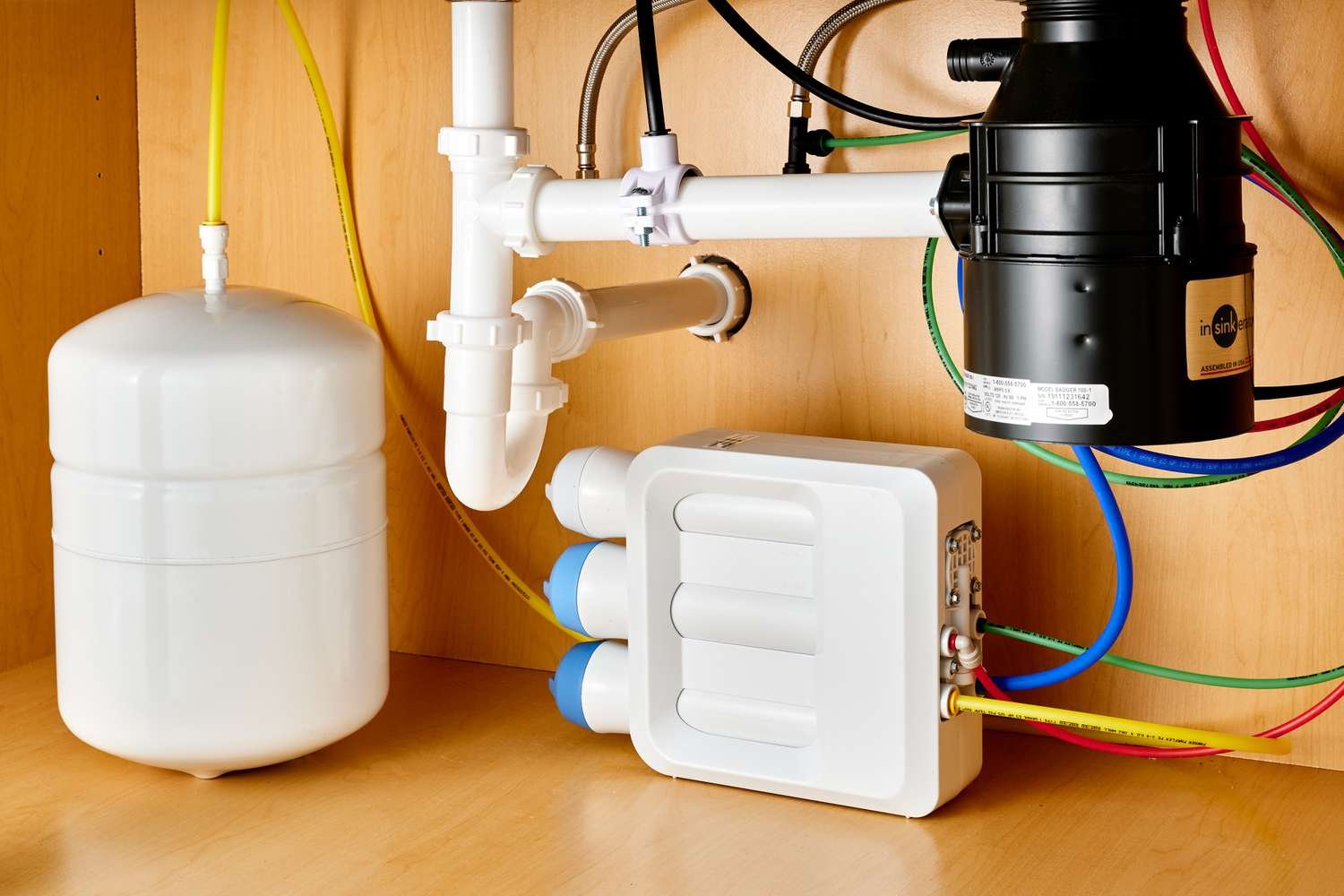
From the meter, the water passes through a system of pipes – mainly drinking water pipes – which carry the clean water to the various outlets: taps, showers, washing machines, etc. These pipes are made of different materials, including copper, PVC, nd PEX, each with its specific advantages.
Hot and cold water system
The hot and cold water system is another integral part of your plumbing network. Cold water goes directly into household appliances and faucets. Hot water, however, must first pass through a boiler or water heater. This device heats the water before distributing it to the required locations, such as bathrooms and kitchens.
During this process, the manifolds, also known as plumbing manifolds, play a crucial role. They regulate the distribution of hot and cold water through the various pipes. It’s like a crossroads where the water branches off in different directions to reach each desired outlet.
Wastewater disposal
Drainage pipes
An equally important aspect of your plumbing system is wastewater disposal. After use, this water must be removed efficiently and hygienically. This is where drain pipes come in, which are generally larger than supply pipes to allow for unobstructed drainage.
These pipes typically lead to a riser, a vertical pipe that runs through the structure of your house and connects all the smaller drain lines to a main line. This main line then carries the wastewater to the septic tanks or the public sewer system.
Pipe diameter
It is essential to note that the diameter of the pipes used for drainage differs from that used for supply. Typically, a larger diameter is needed for drainage to prevent blockages and ensure the smooth flow of liquid and solid waste.
However, choosing the correct diameter depends on several factors, such as the total length of the pipe and the type of fittings used. An inappropriate size could lead to drainage problems and even damage certain components of your plumbing system.
Additional components and technical details
Siphons and aerators
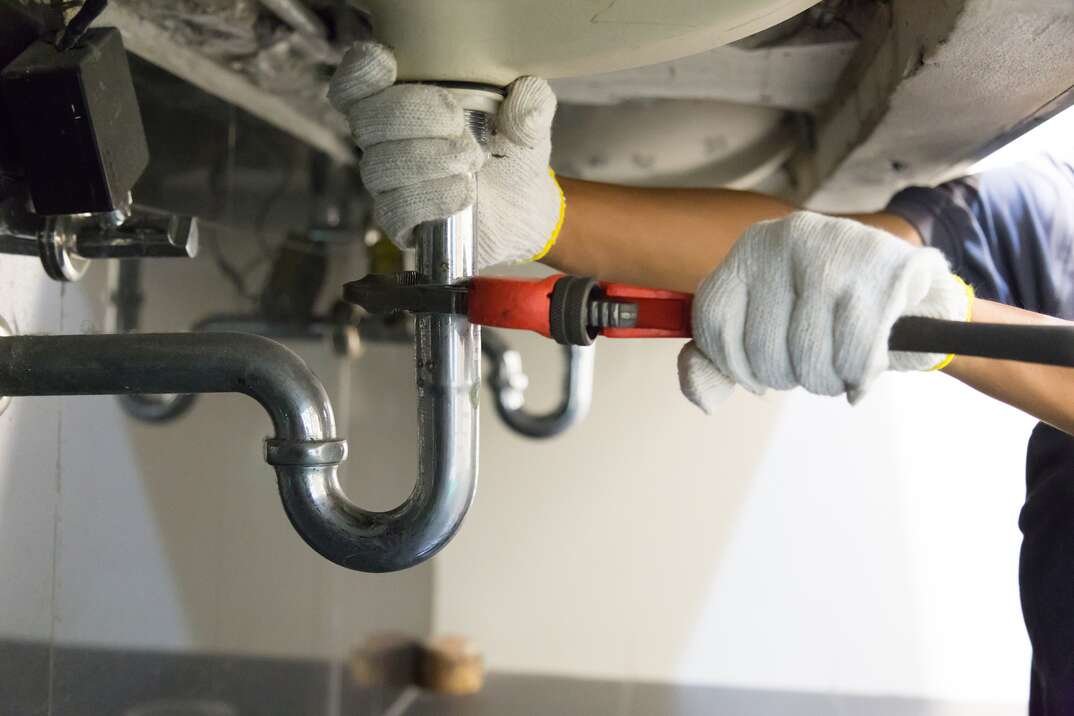
Siphons and aerators are essential components in any plumbing system .
- iphons: Located under sinks and washbasins, they retain a small amount of water to prevent sewer gases from rising into the house.
- Aerators: Installed at the top of the risers, they help maintain a balanced atmospheric pressure, thus ensuring proper drainage of wastewater.
These devices ensure that no unpleasant backflow or foul odors are coming from the drainage system.
Installation of the pipes
The correct installation of pipes is crucial to ensuring the efficiency and durability of the plumbing system. This includes ensuring they are installed with the correct slopes so that water flows naturally towards the drains.
Furthermore, during renovations or new construction, it is vital to comply with local plumbing regulations. These rules ensure that your installations meet current safety and hygiene standards.
Common problems and practical solutions
Leaks and blockages
Unfortunately, no plumbing system is perfect. Leaks and blockages are two of the most common problems. A leak can be caused by faulty seals, old or damaged pipes, while blockages usually result from the buildup of grease, hair, and other debris.
To address these problems, here are some practical tips:
- Leaks: Regularly inspect joints and connectors for signs of premature wear. Use sealing tape if necessary, a nd consider replacing damaged sections of pipe.
- Blockages: Avoid pouring grease and other insoluble substances down sinks. Use hair traps in showers and bathtubs to prevent blockages.
Maintenance and prevention
As the saying goes, prevention is better than cure. Regular maintenance of your plumbing system can save you a lot of trouble. For example, using natural cleaning products made with vinegar and baking soda can help keep your pipes clear without causing environmental damage.
Having a professional plumber perform a thorough inspection periodically is also a good idea. These experts can identify potential problems before they become serious, saving you time and money in the long run.
Innovations and current trends
Eco-friendly plumbing
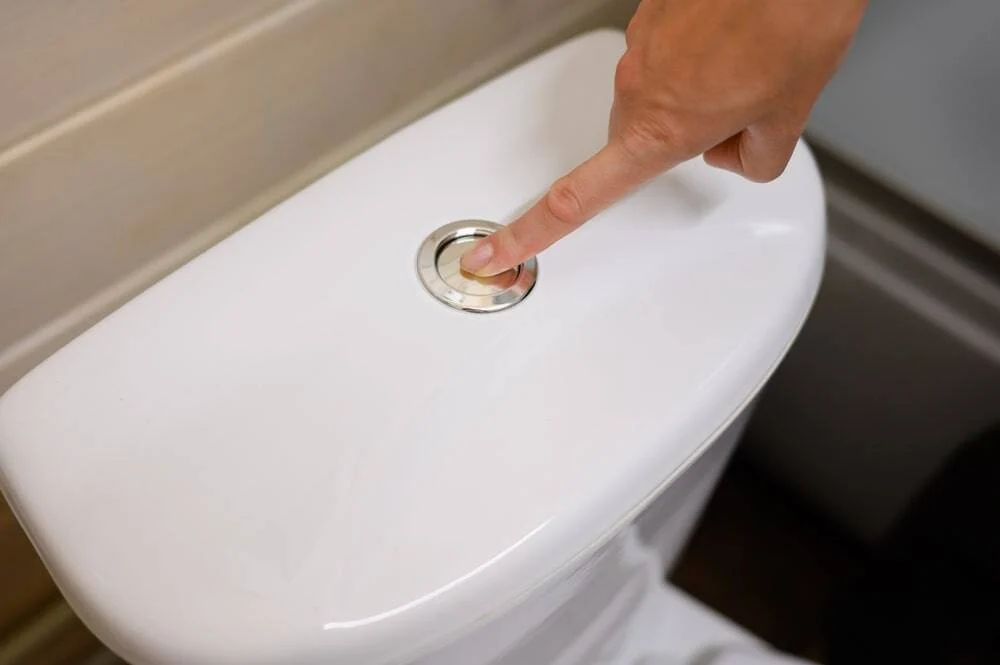
With growing environmental awareness, many innovations aim to make plumbing systems more eco-friendly. Equipment such as low-flow showers and toilets significantly reduces water consumption while maintaining efficiency.
On the other hand, greywater recovery is becoming an increasingly common practice. This process involves reusing lightly used water (for example, from showers) for non-potable purposes such as garden irrigation.
Smart Technology
Home automation has also made its way into the world of plumbing. It’s now possible to remotely control various aspects of your hot and cold water systems. For example, some mobile apps allow you to adjust the boiler temperature or receive alerts if a leak is detected.
Some modern homes are equipped with smart sensors that can automatically shut off the water if a leak is detected, thus minimizing the risk of costly property damage.
Final thoughts
Understanding how a domestic plumbing system works means understanding a set of interconnected and ingenious systems. From water supply to wastewater disposal, each element plays a crucial role in ensuring a comfortable and hygienic living environment.
Beyond simple pipes and taps, plumbing is a precise science requiring in-depth technical knowledge. Yet, with a little attention and care, it is entirely possible to keep your system in excellent condition and prevent most plumbing problems.