Introduction
Electricity is an integral part of our daily lives, but it is also one of the leading causes of accidents in homes and workplaces. From overloads and faulty appliances to damaged wiring, electrical hazards are ever-present and can lead to serious consequences, such as fires, electrocution, or major power outages. Unfortunately, these dangers are often overlooked, and a small careless mistake or faulty installation is all it takes for the situation to become critical.
However, it is entirely possible to prevent these risks with simple actions and appropriate precautions. Whether you are an individual wishing to protect your home or a professional concerned about the safety of your employees, preventing electrical hazards is your responsibility. Installations that comply with safety standards, have appropriate equipment, and are aware of best practices can significantly reduce electrical incidents.
In this article, we’ll review the 5 essential steps to take to prevent electrical hazards. By applying these practical tips, you’ll contribute to the safety of those around you while extending the lifespan of your electrical equipment. Furthermore, you’ll gain a better understanding of current safety standards and how they affect the protection of your electrical installations, whether at home or in the workplace.
1. Regularly check electrical installations
The importance of regular inspections
Over time, electrical installations are subject to natural wear and tear. Components can deteriorate, leading to malfunctions or risks of accidents. Regular inspections allow you to identify these warning signs and take the necessary steps before they become critical. This can prevent electrical outages, reduce the risk of fire or electrocution, and ensure optimal use of your appliances. Indeed, a faulty installation is one of the main causes of serious domestic incidents, particularly in residential and commercial settings.
When and how should the checks be carried out?
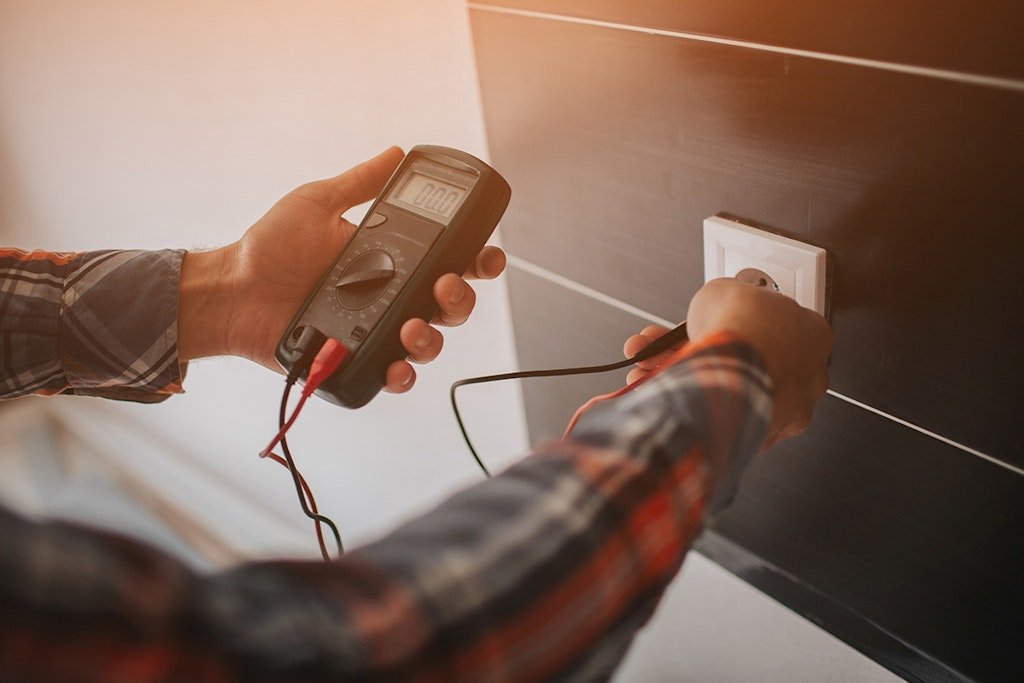
It is recommended to have your electrical installations inspected by a professional electrician every 3 to 5 years. They will be able to check the condition of the wiring, circuit breakers, and other protective devices. You can also adopt simple daily practices to maintain your installations:
- Regularly check the sockets and switches to ensure there is no overheating.
- Replace damaged or worn cables.
- Ensure that the circuit breakers are functioning correctly by performing a monthly test.
2. Use electrical equipment that complies with standards
Why choose certified products?
Using non-compliant electrical equipment poses serious safety risks. Poor-quality or uncertified appliances and wiring can cause short circuits, fires, or even electrocution. Safety standards exist to protect consumers from these risks. By ensuring your equipment is certified and complies with current standards, you guarantee its reliability and safe operation. Labels such as CE or NF are indicators of quality to look for when making purchases.
Where can I buy compliant equipment?
To ensure your electrical equipment complies with regulations, it’s crucial to choose reliable suppliers. Opt for authorized distributors or specialized stores that only sell products meeting industry standards. By purchasing your equipment from these vendors, you reduce the risk of acquiring counterfeit or substandard items, which could lead to serious problems in your electrical installations.
3. Never overload electrical outlets
The dangers of electrical overload
Overloading electrical outlets is a leading cause of house fires. When multiple devices are plugged into the same outlet or power strip without adequate protection, it creates overheating that can quickly escalate into a fire. Each outlet has a maximum current capacity. Exceeding this limit increases the risk of short circuits and other electrical problems, such as damage to appliances or faulty wiring.
Statistics show that a significant proportion of domestic fires are linked to electrical problems, and a large majority of these incidents can be avoided by adopting safe practices.
How to avoid overloading?
To prevent the risk of electrical overload, here are some practical tips:
- Invest in power strips with overload protection: Choose power strips equipped with built-in protection devices that automatically cut off the power in case of an overload. This protects not only your devices, but also your home.
- Distribute electrical devices across multiple wall outlets. Instead of plugging everything into a single power strip, try distributing your devices across different outlets in the room. This reduces the load on each outlet and lowers the risk of overheating.
- Be careful with high-consumption appliances: Appliances like heaters, air conditioners, and hair dryers consume a lot of energy. Avoid plugging them into the same outlet as other appliances, especially low-consumption ones, to prevent overloading the circuit.
- Unplug unused appliances: When appliances are not in use, unplug them. This not only prevents overloads but also reduces energy consumption, which is good for your bill and the environment.
- Avoid using extension cords: Extension cords are often tempting for extending access to outlets, but they can also cause overload problems. If you must use them, make sure they are of good quality and designed for extended use.
By incorporating these simple practices into your daily routine, you not only minimize the risks of electrical overload but you also contribute to the overall safety of your home environment.
4. Install circuit breakers and safety devices
The role of circuit breakers in preventing electrical hazards
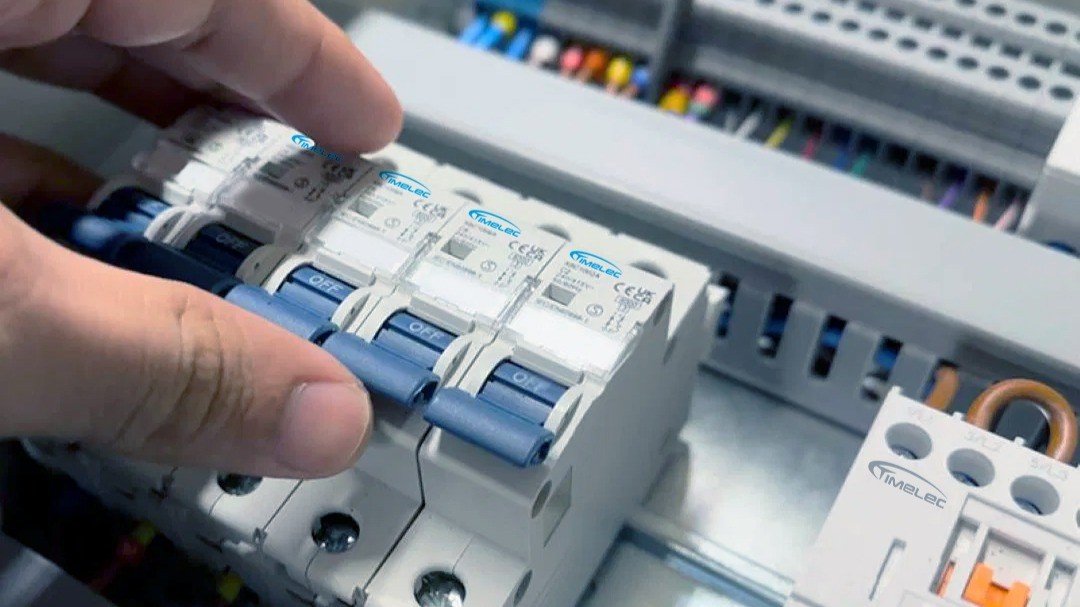
Circuit breakers are essential safety devices in any electrical installation. Their main function is to protect electrical circuits by automatically cutting off the current in the event of an overload, short circuit, or current leakage. This helps prevent serious accidents such as fires or electrocutions.
- Residual current circuit breakers (RCCBs): Thesee detect current leaks and cut off the power supply when the leakage current exceeds a certain threshold. This is particularly important in damp areas, such as bathrooms and kitchens, where the risk of electric shock is increased.
- Fuses: although less common today due to the increasing use of circuit breakers, fuses also play a key role by interrupting the current when it exceeds a certain intensity, thus protecting appliances and circuits.
How to choose the right security devices?
Choosing the right safety devices for your electrical installation is crucial to ensuring the protection of your home and loved ones. Here are some tips to help you make the best choices:
- Hire a licensed electrician: It is essential to have your circuit breakers and safety devices installed by a qualified professional. A licensed electrician will be able to assess your specific needs, choose the appropriate equipment, and ensure its installation complies with current standards.
- Check the applicable standards: Make sure that the circuit breakers and fuses you choose comply with the safety standards in force in your country. These standards guarantee that the equipment is reliable and suitable for your environment.
- Choose quality products. nInvestin safety devices from recognized and respected brands in the field. This reduces the risk of failure and ensures better protection for your electrical installation.
- Perform regular cchecks After installation, it is important to regularly check that your circuit breakers and safety devices are working correctly. Replace blown fuses and test residual current circuit breakers (RCCBs) at least once a month using the test button.
- Consider adding additional devices: depending on your needs, consider adding additional safety devices, such as surge-protected outlets or timers for certain appliances, to enhance the safety of your installation.
By installing circuit breakers and other safety devices, you significantly contribute to protecting your home and preventing electrical hazards. Don’t neglect this crucial step in managing your electrical safety.
This section highlights the importance of circuit breakers and offers practical advice on choosing and installing appropriate safety devices. You can include internal links to articles on electrical standards or safety best practices to further enrich your content.
5. Educate occupants on good electrical practices
Raising awareness among adults and children about electrical hazards
Education is key to preventing electrical hazards. Raising awareness among all occupants of a home or workplace about the dangers of electricity is essential to minimizing accidents. Adults and children alike must understand that irresponsible behavior can lead to serious injuries or even death.
- Know the risks: Explain the potential dangers of electricity, such as electric shocks, burns, and fires. A good understanding of the risks helps to adopt safer behaviors in everyday life.
- Create safety rules: Establish clear rules to follow regarding the use of electrical appliances. For example, prohibit children from touching plugs and playing with electrical appliances unsupervised.
Gestures to learn from a very young age
It is essential to instill simple, life-saving skills from a young age. Here are some best practices to teach children and adults:
- Do not touch electrical appliances with wet hands. Water is an excellent conductor of electricity, which increases the risk of shock. Teach all occupants never to handle electrical appliances with wet hands.
- Avoid pulling on cables: Teachh them not to pull on cables to unplug an appliance. This can damage the cable and cause a short circuit. Show them how to grip the plug properly to unplug an appliance.
- Do not use defective appliances: inform them not to use appliances showing signs of damage, such as exposed wires or burnt plugs. They should be aware that it is best to have these appliances repaired or replaced.
- Identify safety devices: FFamiliarizeoccupants with circuit breakers and safety devices. Explain how these devices work and how they can help protect them in case of a problem.
- Encourage reporting of problems: Enourage all family members or employees to immediately report any electrical problems to an adult or supervisor. Creating an environment where everyone feels comfortable discussing concerns about electrical safety is crucial.
By educating occupants about these best practices, you help create a safer environment, both at home and at work. Regular awareness campaigns and reminders about the importance of electrical safety can significantly reduce the risk of accidents.
Conclusion
By putting these 5 essential steps into practice, you actively contribute to preventing electrical hazards in your environment, whether at home or at work. Electrical safety isn’t just about having compliant installations; it also relies on constant vigilance and responsible behavior. Every member of your household or team plays a crucial role in protecting against electrical dangers.
Remember that awareness and education are powerful tools for reducing accidents. By taking the time to train and inform your loved ones about best practices, you create a safer living environment for everyone.
Take the necessary steps today to ensure electrical safety around you. Don’t wait for an incident to happen before acting. Be proactive and commit to protecting those around you from the dangers of electricity.