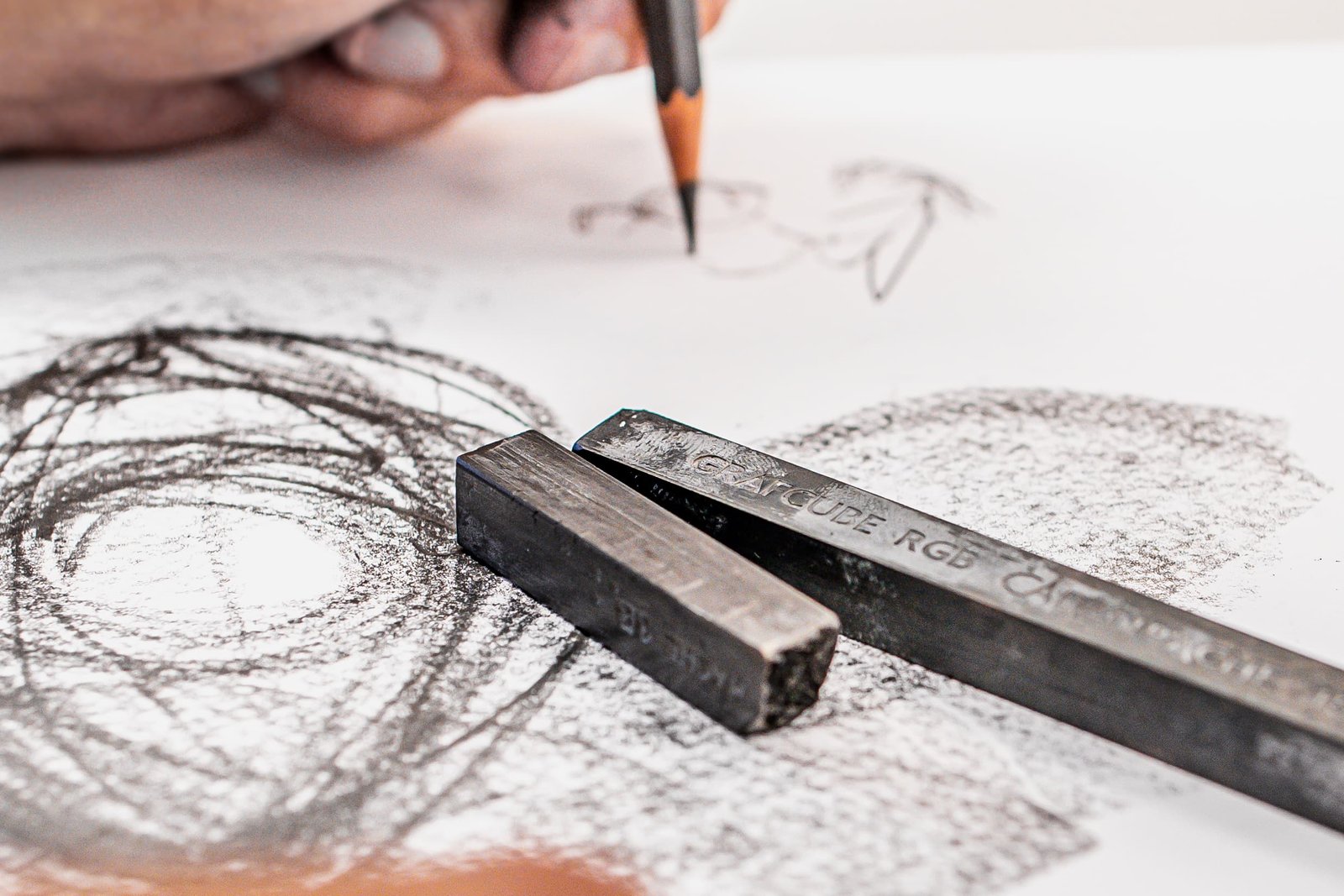
Colored pencil drawing is an accessible and exciting artistic technique that allows you to create colorful and complex works of art. Whether you’re a beginner or experienced, there are many resources and techniques to help you get started in this discipline. In this article, I’ll present the steps to begin colored pencil drawing, as well as some tips to deepen your knowledge and improve your skills.
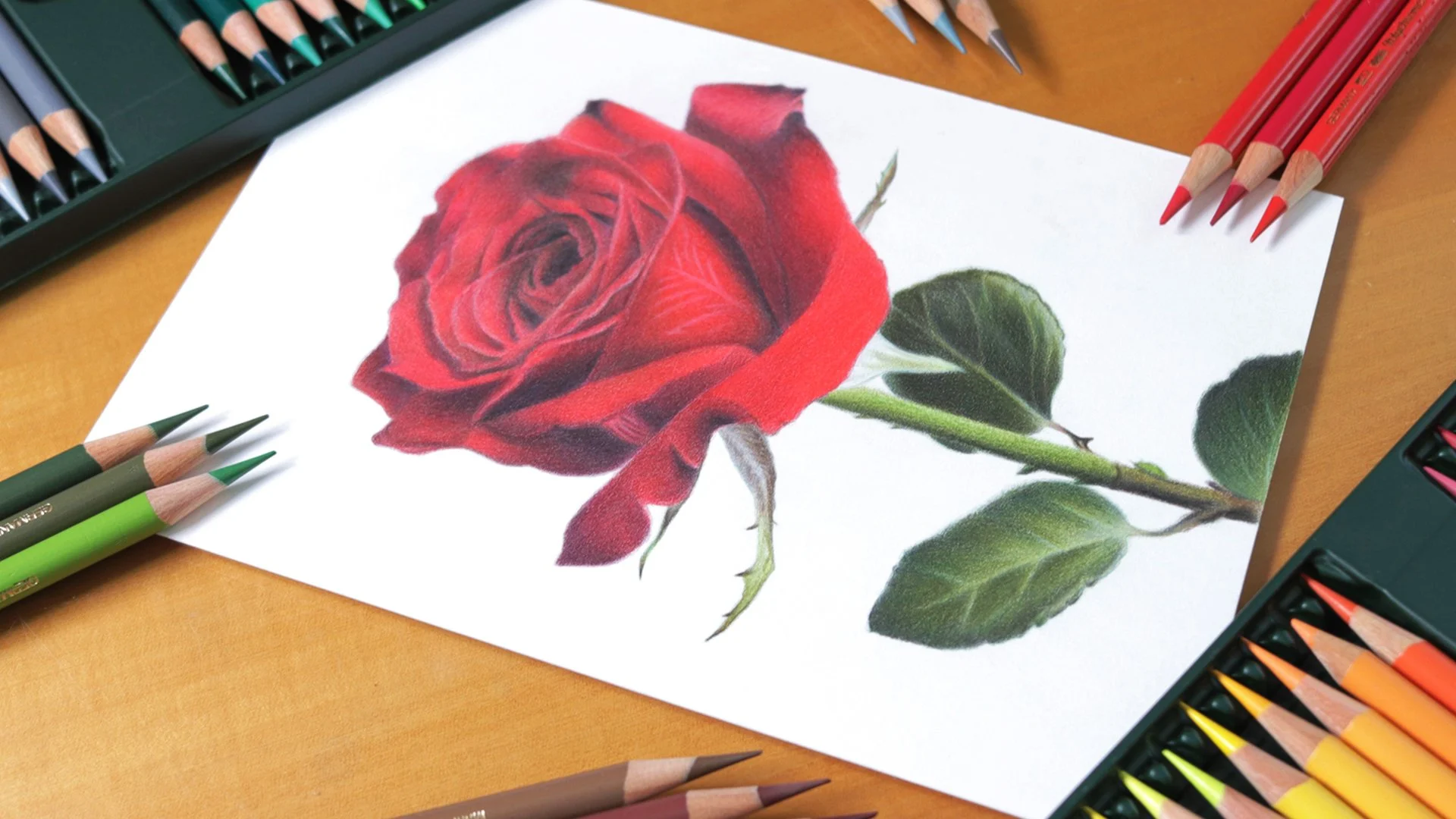
Choose the right equipment.
When starting with colored pencils, it can be tempting to just buy the first supplies you see. However, it’s essential to invest in quality pencils and suitable paper to achieve satisfying results and properly learn this technique. Here are a few things to consider when choosing your supplies:
Colored pencils
There is a wide variety of colored pencils on the market, ranging in price from very affordable to very expensive. The most reputable brands, such as Faber-Castell and Derwent, offer high-quality pencils with a good lead and excellent color retention. It is best to choose oil- or wax-based pencils for better adhesion to paper and more intense color.
The paper
The choice of paper is also crucial for the quality of your drawings. Opt for a thick paper with a light grain and good adhesion, such as watercolor paper or Bristol board. A4 or A3 paper may be sufficient for beginners, but you can explore other formats as you progress.
Other accessories
Among other useful accessories for colored pencil drawing, don’t forget:
- A pencil sharpener: to keep your pencil leads sharp;
- An eraser to erase pencil marks and correct your mistakes.
- A fixative:t o protect your finished drawings and prevent damage.
Learn the basic techniques
Once you have gathered the necessary materials, it’s time to begin learning the basic techniques of colored pencil drawing. Here are a few tips to get you started:
Mastering the application of color
The first thing to work on is applying color to the paper. Take the time to experiment with different stroke types and pressure to achieve varied shades and master color layering. Don’t hesitate to practice on scrap paper before embarking on a more elaborate drawing.
Learn about color mixing
Color mixing is essential for achieving subtle gradients and nuances in your drawings. Experiment with different color combinations and observe how they interact. Regular practice will allow you to develop a good grasp of color mixing and create interesting visual effects.
Working with shadows and light
Shadows and light are essential for giving volume and depth to your drawings. To master them, it’s important to carefully observe the objects and scenes around you to understand how light reflects and spreads. Try to reproduce these effects in your drawings using shades of gray and white, then llayer colorsto create a realistic effect.
Take courses and learn online
To progress quickly and acquire solid skills in colored pencil drawing, taking drawing classes can be helpful. Many options are available, depending on your budget and availability:
In-person classes
If you prefer face-to-face learning, look into workshops and courses offered by cultural associations, art schools, or independent artists in your area. Course reviews and recommendations from other students can help you find the best option for you.
Online courses
If you’re short on time or prefer to learn at your own pace, numerous online courses are available. Some platforms, like YouTube or Skillshare, offer free tutorials for learning the basics of colored pencil drawing. Other sites, such as Udemy or Coursera, offer paid courses to deepen your skills and follow a structured program.
Practice regularly and share your creations
Nothing beats practice for improving your colored pencil drawing skills. Try to draw regularly, setting goals for yourself and drawing inspiration from photos, other artists’ work, or your surroundings. Don’t hesitate to share your creations on social media, forums, or image-sharing platforms to get feedback and advice from other enthusiasts.
In conclusion, getting started with colored pencil drawing requires an initial investment in materials and technical knowledge, but this discipline offers numerous creative and fun possibilities. By practicing regularly, taking classes, and sharing your creations, you can develop your skills and create unique and colorful works of art. So, don’t hesitate any longer and embark on this artistic adventure!