Plumbing installation is an essential step in fitting out a shower room. For bathrooms, this type of work is a little more complicated, given the numerous elements to consider and the safety standards to respect.
Understanding how plumbing works in the bathroom
It is important to understand how the network that supplies your home with water works.
- Operation of the water supply network :
To understand this mechanism, we must consider this network as a system whose circuit is divided into three parts.
The first part concerns the water supply network. The second circuit is dedicated to the fixed installations that distribute water throughout the house. The last relates to the drainage system, which is responsible for removing wastewater from the entire house. His circuit also contributes to the elimination of unpleasant odors.
In our case, these three parts are concentrated in the bathroom.
- The basic elements in a water supply network :
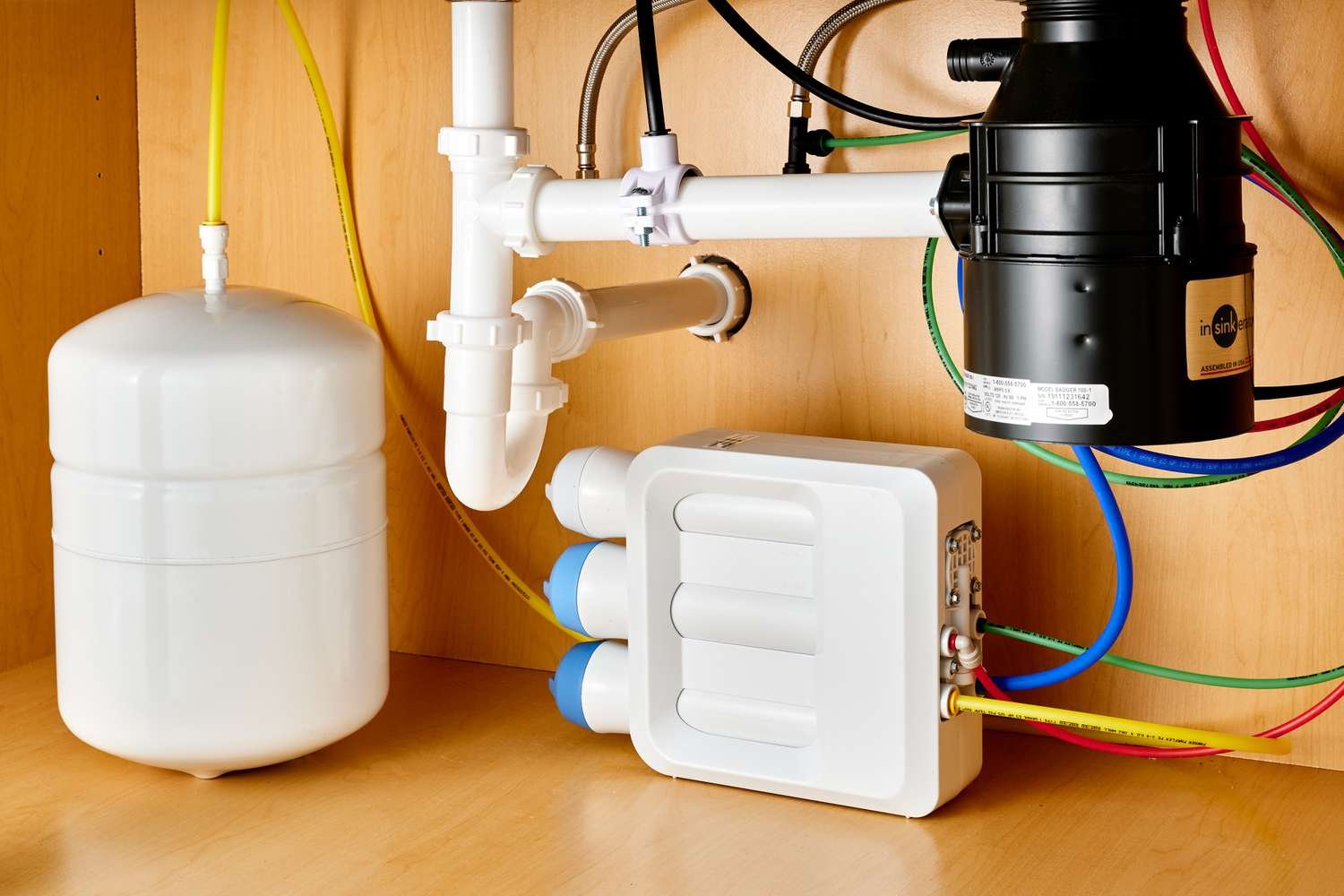
The first component in a water supply network is the piping. Each pipe can have different dimensions depending on its function. The type of building can also influence the type of pipe needed for the plumbing .
Fr example, the drain pipe is 10 cm in diameter. This is the pipe installed at the toilet. To connect these pipes, you will need elbows . The size of these elbows will depend on the available space and the dimensions of the pipes.
For the remaining work, you will need to use a few additional tools for plumbing installation. These include Teflon tape, fine-grit sandpaper, anchor bolts, wall plugs, silicone sealant, and specialized plumbing solder.
Steps to follow to install sanitary fixtures in the bathroom
The method to follow may vary depending on the sanitary equipment to be installed. For details on this subject, it is best to contact professionals like Expert Gaz&Eau . You will then benefit from a fast and high-quality service.
- Installation of the sink or washbasin :
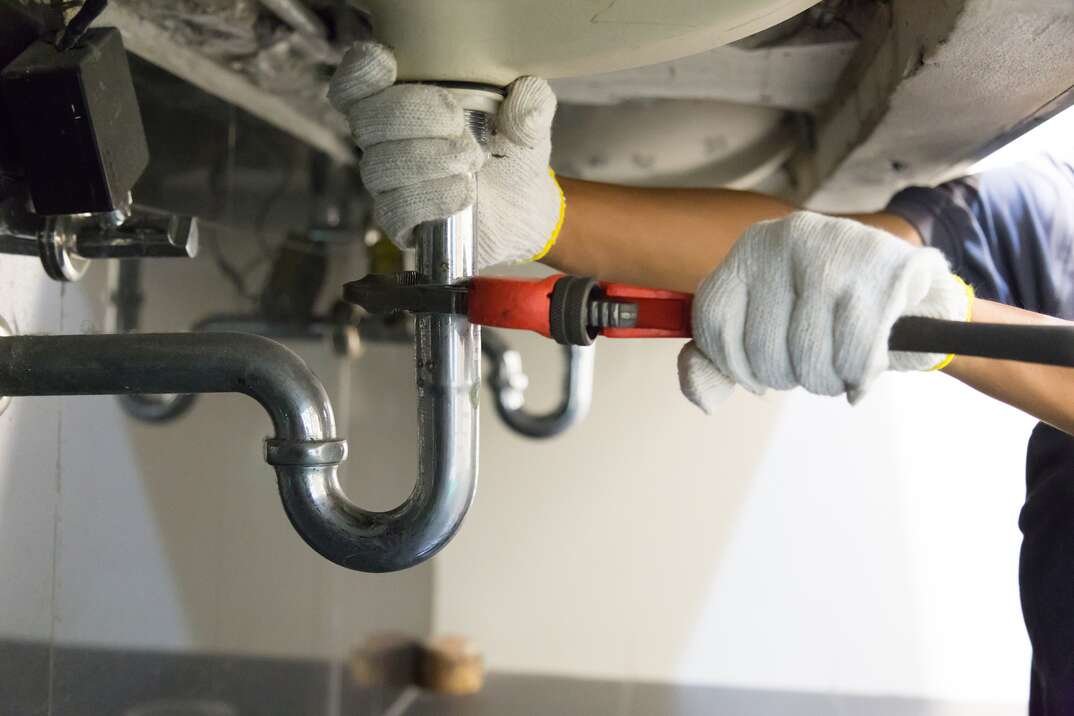
The plumbing installation can be the same for both the sink and the washbasin . However, the piping is visible on the outside or hidden in the pedestal for the sink, while the plumbing network is concealed in the vanity unit for the washbasin.
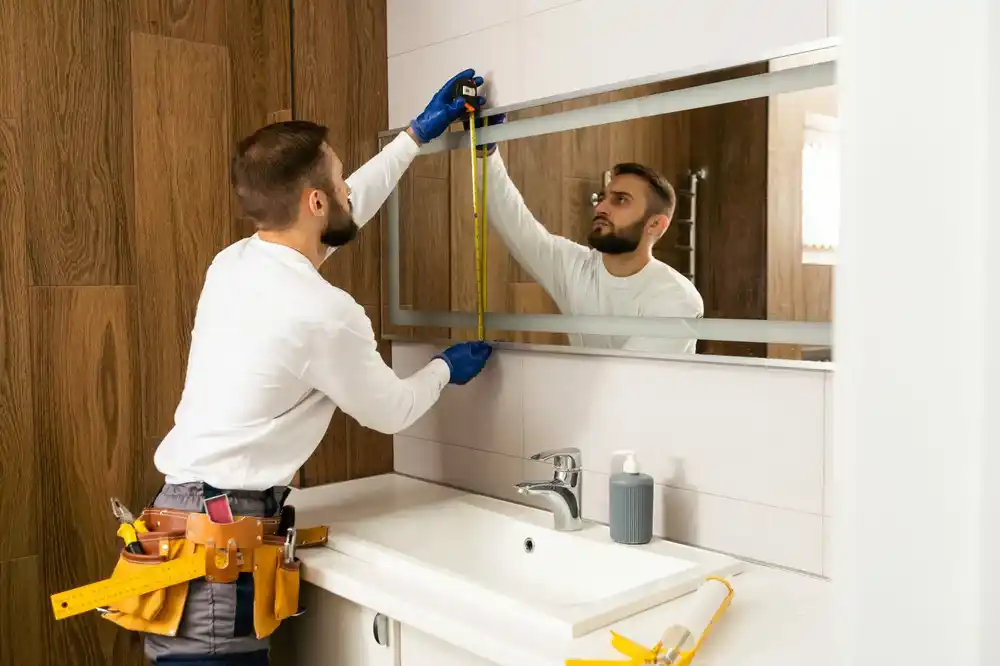
To begin the work, the water supply valve must be turned off. Next, carefully consider the location of the sink or basin. This fixture must be easily accessible to facilitate the supply of hot and cold water.
The next step involves installing the sanitary fixture and the plumbing. This requires drilling through the wall and floor. The sink or basin must then be connected to the water supply via the plumbing.
To reinforce the fixing, you will apply sealant. This will be located between the wall and the sanitary fixture. This will be done using silicone.
For the upper section, the task involves installing the faucet. Here again, you’ll need silicone and Teflon tape. When completing the installation, we recommend paying close attention to the exterior appearance .
- Toilet installation:
Toilets come in various forms. To determine which one suits you best, you must consider the available space where you plan to install it. You must then analyze the compatibility between the toilet and the drainpipe in your plumbing system .
If you wish to renovate your bathroom, you must first remove the old sanitary fixtures. The surface must then be prepared to receive the new toilet.
Please note that this equipment must be secured to the floor using bolts or screws. To facilitate installation, you should mark the floor if it is a new installation. You can then drill into the floor.
Once the equipment is properly installed, you will proceed to install the toilet bowl. Make sure to adjust it correctly to the rest of the sanitary fixtures and the plumbing before securing it.
The sealing will also be done using screws. The joints, meanwhile, will be made using silicone and Teflon tape.
- Difference between shower and bathtub plumbing :
The installation process differs between showers and bathtubs. There may also be differences between the various types of showers.
A walk-in shower will be more complicated to install compared to a shower with a raised tray. Installing abathtub can also be quite challenging.
The two elements to consider are the water supply and the wastewater drainage system. As with toilet installation, you must mark the floor and wall.ll
For a wawalk-in showerthe plumbing must be below floor level due to its configuration. The shower tray is indeed at the same level as the floor.
For the bbathtubb the piping is hidden by the tub or embedded in the wall.
After setting up the internal network, you will take care of installing the shower phone or the faucets in the bathtub.
Materials to choose for bathroom installation
Plumbing components can be constructed using several materials, namely copper, PEX, or multilayer.
- Copper :
Copper is the most durable material for plumbing installations. By choosing this material, all the components of your system can withstand the expansion caused by the flow of hot water. Their lifespan will also be longer.
However, copper plumbing fixtures are no longer common in modern homes. Furthermore, they are rarely sold on the market anymore. That’s why you’ll only find them in older houses.
- The PER :
The pipes are in the form of tubes whose flexibility is essential for plumbing installation in the bathroom. There are two varieties: red pipes for the hot water supply and blue ones for the cold water supply.
- Multilayer
Typically white in color, multilayer plumbing components also offer great flexibility. They are made with metal and polyethylene.