As a budding artist, I’m always on the lookout for new techniques and tips to improve my work. Recently, I discovered pastels, a medium with vibrant colors and a soft texture that allows for the creation of stunning artwork. In this article, I’ll introduce you to the main pastel techniques and give you some advice to get started on this exciting artistic adventure.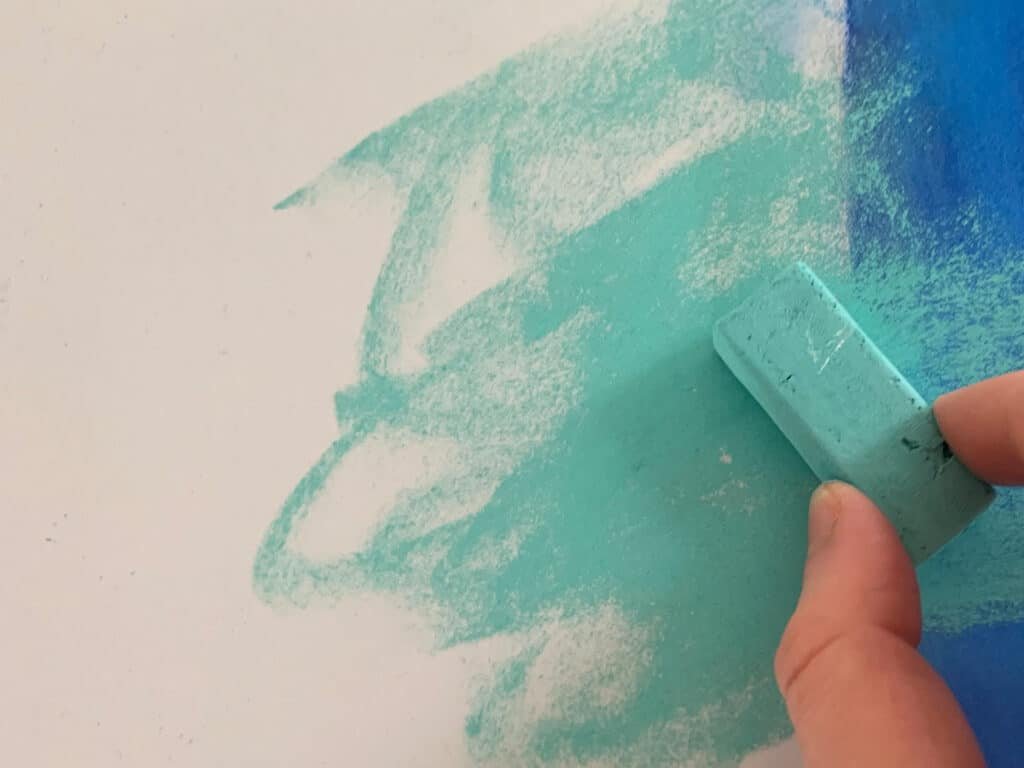
Dry pastels and oil pastels, what is the difference?
There are two types of pastels: dry pastels and oil pastels. Each has its own characteristics and advantages, so it is crucial to know the difference between the two before you begin learning to paint with pastels.
Dry pastels
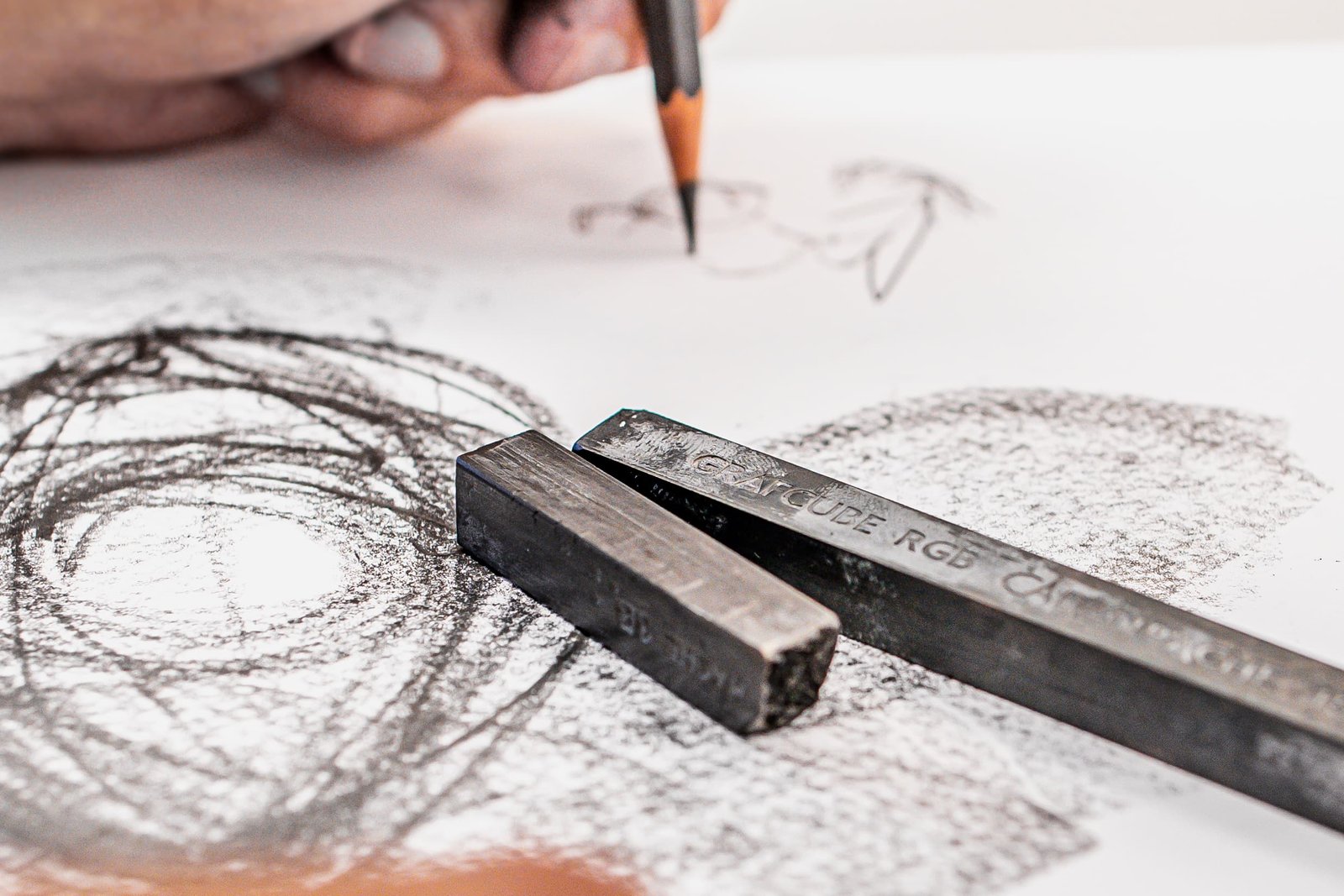
Dry pastels consist of colored pigments mixed with a clay or gum-based binder. They are generally less expensive than oil pastels and are available in sticks or pencils. Dry pastels are ideal for beginners because they are easy to handle and allow for a variety of effects, such as gradients, color blends, and textures.
Oil pastels
Oil pastels, also known as oil-based pastels, are composed of pigments mixed with an oil or wax-based binder. They have a creamier consistency than soft pastels and are often used to create more detailed and realistic artwork. Oil pastels are also more water-resistant and smudge-proof than soft pastels. However, they can be more difficult for beginners to master and are generally more expensive.
The best techniques for beginners
There are many techniques for using pastels. Here are some of the most common and effective for beginners:
Blending
Blending is a technique that allows you to mix colors and create a soft, smooth effect. To blend, simply apply a pastel color to the paper, then use a finger, a blending stump, or another tool to rub and spread the color. This technique is particularly useful for creating gradients and smooth transitions between colors.
Footprint
Printmaking involves applying pastel colors to paper and then pressing an object onto the colored area to create a texture or pattern. For example, you can use a sponge, a piece of fabric, crumpled paper, or even your fingers to make prints. Printmaking is a fun and creative technique that can produce surprising and original results.
Hatching and cross-hatching
Hatching and cross-hatching are techniques that involve drawing parallel and/or intersecting lines to create areas of color and texture. Hatching allows for the creation of light and shadow effects, while cross-hatching produces a denser, more structured rendering.
Flat
Flat washes involve applying pastel color directly to the paper without blending or mixing. This technique allows you to create areas of solid, contrasting color and is ideal for highlighting certain parts of your drawing.
Tips for getting started with pastels
Now that you know the main pastel techniques, here are some tips to help you succeed with your first drawings.
- Choose the right materials: Investing in good-quality pastels and suitable paper is essential for achieving good results. Quality pastels offer more intense colors and better texture, while paper specifically designed for pastels, such as Ingres paper or velour paper, allows for better pigment adhesion.
- Experiment with colors: Don’t hesitate to mix and layer different colors to create interesting effects and unique shades. Pastel is a very versatile medium that allows for an infinite number of color combinations.
- Take drawing lessons. To learn the basics of drawing and master the various pastel techniques, it can be helpful to take online courses or in-person workshops. Artists like Damien Barban and Christophe Delvalle offer pastel classes for beginners, as well as online tutorials.
- Practice regularly: As with any artistic discipline, practice is the key to success. Don’t get discouraged if your first drawings aren’t perfect, and keep experimenting to find your own style and improve your skills.
In conclusion, learning pastels requires time, patience, and practice. However, with the right techniques and a few tips, you can quickly create colorful and expressive works of art. So, don’t hesitate any longer, choose your pastels, and embark on this exciting artistic adventure!