Small cracks in walls can be as frustrating as they are inevitable. From a barely visible line to more pronounced chips, these cracks often appear unexpectedly and can mar the pristine look of our interiors. Fortunately, there are simple and effective methods to repair them quickly and easily. Discover how to combine ingenuity and efficiency to enhance your walls like a true professional.
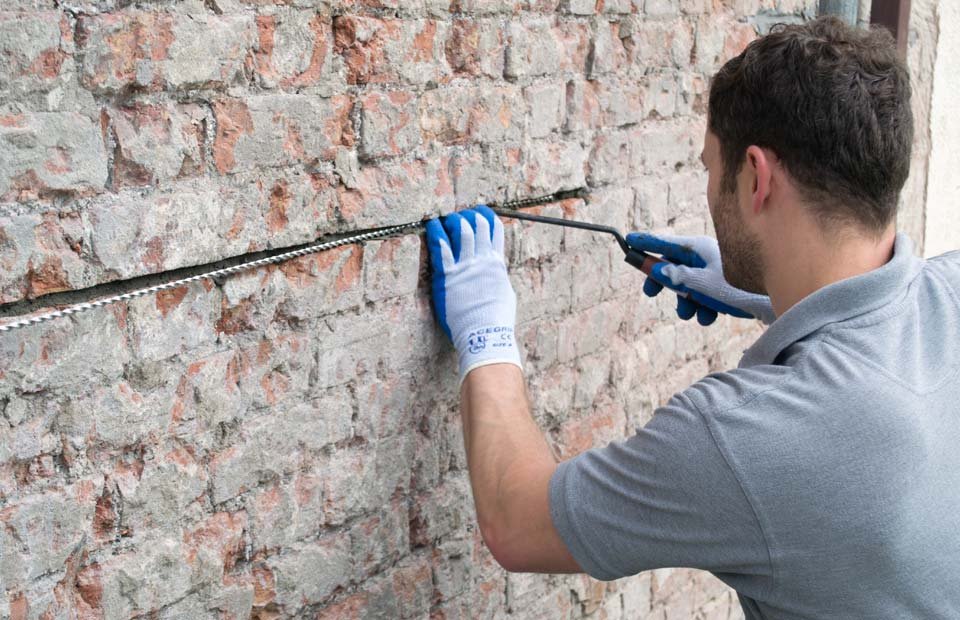
Discover what these cracks are hiding
Before addressing cracks, it’s essential to understand why they form. Once you know the cause, it’s easier to prevent them in the future and make lasting repairs.
The natural movements of the house
Your house is a bit like a living being; it breathes and evolves. Natural structural movements, particularly due to soil settlement or the contraction of materials over time, are often the cause of these small cracks. These imperceptible movements nevertheless leave visible marks on your walls.
Variations in temperature and humidity
Changes in temperature and humidity can also affect the integrity of your walls. In winter, dry air can cause materials to contract, while in summer, humidity can cause them to swell. Just like leather that stretches or contracts depending on the weather, your walls are subject to these same environmental fluctuations.
The express method for impeccable results
With a little know-how and the right products, repairing cracks in your walls becomes child’s play. Here’s how to proceed for a perfect result, ready to be painted or wallpapered.
Choosing the right filler
The key to a successful repair lies in choosing the right material. A ready-to-use filler is your best friend. These products are specially designed to adhere perfectly to surfaces and effectively fill cracks. Choose a reputable brand to ensure a smooth application and a flawless finish.
Apply the plaster like a pro
Once you’ve chosen your filler, the application must be meticulous. Use a spatula to apply the filler in a firm, even stroke. Make sure to fill the crack without leaving any air bubbles. For a finishing touch, smooth the surface with your spatula. This tool will quickly become your best friend for this type of work.
Smooth everything out with sandpaper
After drying, it’s crucial to smooth the surface with sandpaper. Choose fine-grit sandpaper to avoid damaging the surrounding wall. This creates a smooth, even surface, ready for repainting. This step is comparable to preparing a canvas before painting: a perfect base for a flawless result.
Essential tools for a quick repair
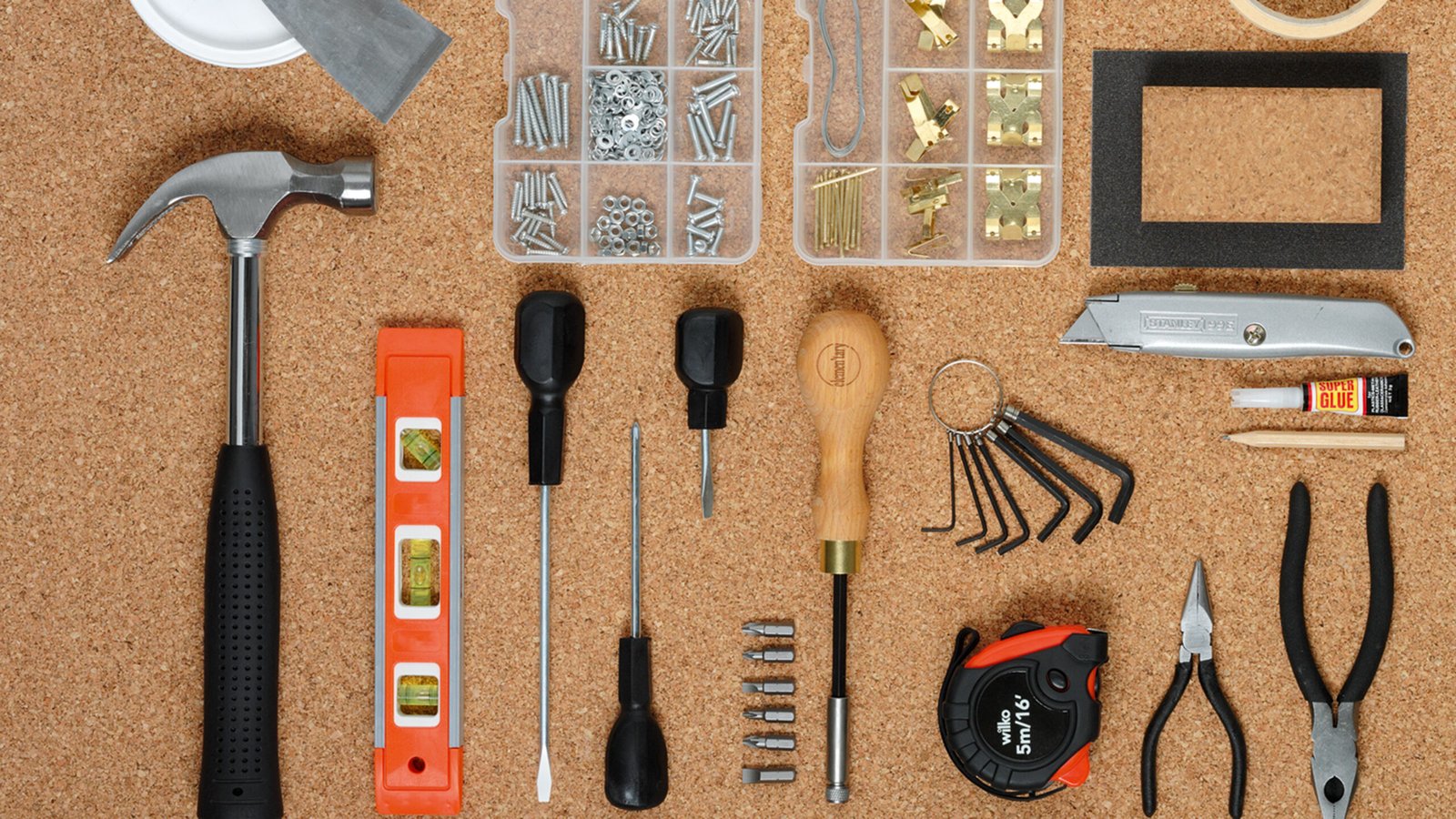
To complete your mission, you need the right tools. With these simple yet effective accessories, you’ll be perfectly equipped for any eventuality.
The spatula is your best ally
A spatula is an essential tool for applying plaster correctly. It allows for not only even application but also for smoothing the surface for a professional finish. Choose one with a flexible blade for greater maneuverability, ideal for reaching even the smallest corners.
The indispensable sandpaper
Sandpaper is crucial for achieving a perfect finish. Opt for 120-grit sandpaper for the initial sanding, then use a finer grit for the final touch. The secret lies in patience and a gentle touch: work carefully and precisely to achieve a professional result.
Tips for going fast and without mistakes
The ultimate secret to efficient repairs lies in organization. Prepare all your tools in advance to avoid unnecessary trips back and forth, and work in a clean and tidy environment. Always keep a damp cloth handy to wipe away excess filler or sanding residue, saving you valuable time.
How to prevent cracks from recurring
Let’s anticipate future cracks to preserve the beauty of your walls. A few smart tips will allow you to maintain the integrity of your surfaces in the long term.
Investing in quality products
Investing in quality materials from the outset can make all the difference. Reputable products guarantee better durability and, therefore, increased longevity for your repair. The initial quality of the materials will largely determine the lifespan of your work.
Regularly check the humidity level in your home
To avoid problems related to humidity, regular monitoring is essential. Purchasing a humidity meter can be very beneficial. The ideal humidity level is between 40 and 60%. A dehumidifier can help maintain optimal health and safety in your home.
The crucial role of suitable paints
Using specific paints, such as acrylics, offers a degree of flexibility that can absorb minor wall contractions without cracking. Also consider special finishes for bathrooms or kitchens that are more resistant to humidity and temperature fluctuations. Repairing small cracks in your walls is as much an art as a skill. With the right tools, a rigorous method, and a preventative approach, your walls can retain their beauty and strength for years to come. The satisfaction of a job well done will undoubtedly encourage you to undertake other ambitious DIY projects. So, are you ready to restore your interior to its original splendor?