Installing a water softener can be a real asset for home comfort. Indeed, many households face the problem of hard water, which causes limescale buildup in plumbing and household appliances. In this article, let’s explore together the reasons why it might be wise to consider this simple yet effective solution. You’ll discover how it can protect your plumbing and extend the lifespan of your household appliances.
What is a water softener?
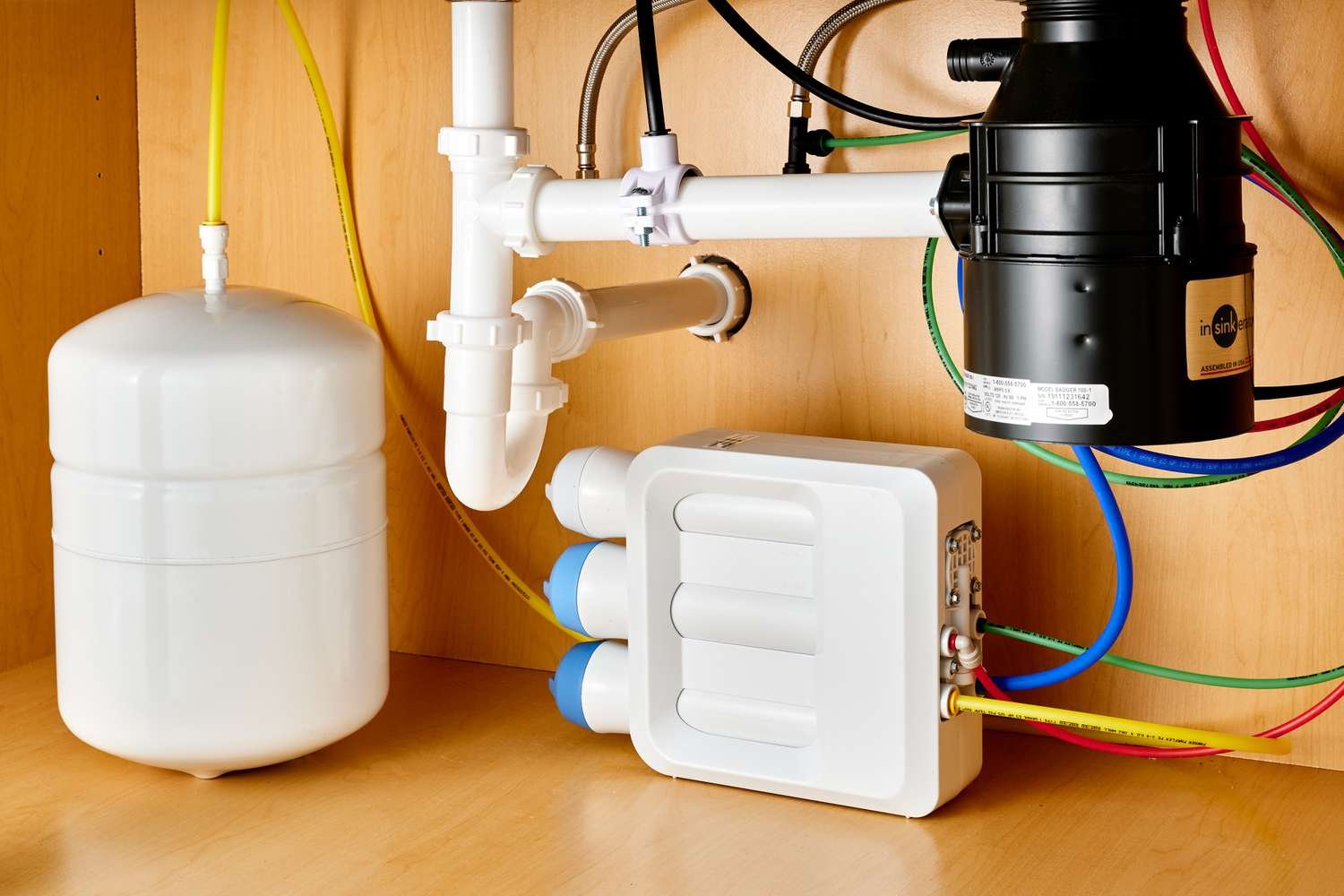
First, let’s examine exactly what a water softener is. It’s a device designed to reduce water hardness by removing minerals like calcium and magnesium. These components are primarily responsible for limescale buildup.
Typically installed on your home’s main water supply, this device uses a process called ion exchange. This process replaces calcium and magnesium ions with sodium ions, thus softening the water. You can then enjoy treated water that significantly improves your daily life.
The benefits of a water softener against limescale
One of the main advantages of a water softener is undoubtedly its ability to effectively combat limescale. Limescale can cause numerous problems in a home, especially when it accumulates in pipes and on surfaces.
By reducing limescale, you not only maintain the clarity and cleanliness of your plumbing system, but you also protect your limescale prevention solutions for your plumbing and appliances. The absence of limescale deposits allows them to function more efficiently and last longer.
Extending the lifespan of household appliances
Treating hard water also ensures significant energy savings. When appliances such as washing machines, dishwashers, and water heaters are free of limescale, they require less energy to heat the water. A heating element immersed in soft water consumes up to 30% less energy.
Not only do you save on your energy bill, but you also reduce maintenance and repair costs. Your appliances operate optimally without breakdowns due to blockages disrupting their performance.
Water quality improvement
Installing a water softener not only improves the efficiency and lifespan of your appliances but also provides an immediate and noticeable benefit: improved water quality in your home. By eliminating the unpleasant taste often associated with limescale, your drinking water becomes more pleasant to drink, thus promoting daily hydration.
In addition, individuals generally feel a noticeable difference during daily tasks, whether it is laundry or showering, where soft water makes skin and hair noticeably softer and less prone to skin irritation.
Focus on protecting sanitary facilities
One of the compelling arguments in favor of water softening is the protection of the plumbing system. Plumbing systems are frequently put under considerable strain by hard water, creating blockages and requiring costly technical interventions.
With a water softener, consider the savings on maintenance and potential repairs. Preventing limescale buildup leads to improved water flow efficiency and optimal performance of your plumbing system.
Increased home comfort
In addition to these economic and practical advantages, installing a water softener inevitably adds to your home’s comfort. Imagine enjoying bubbly baths with water free of chalky film and seeing your glass surfaces sparkle without unsightly white streaks.
This goes hand in hand with less time spent scrubbing taps or descaling pots and pans. Thus, a whole range of household chores aisreduced thanks to a simple change in your water treatment.
Energy savings- A direct consequence of softer water
An often overlooked but crucial aspect concerns the energy savings directly associated with water softening. As mentioned previously, when limescale does not coat heating elements and coils, these components heat the water efficiently and quickly, thus streamlining energy use.
For example, an electric water heater that is submerged but protected by a water softener will use significantly less energy than its equivalent that is covered in limescale. The result: optimized consumption and lower bills.
Sustainable and ecological impact
From an environmental perspective, less energy consumed also means a smaller carbon footprint. Thus, by choosing freshwater delivery, each user indirectly contributes to a long-term ecological benefit. While this individual effort may be minimal, when combined with widespread collective use, these positive consequences become even more significant.
This also gradually leads to a greener industry. Fewer spare parts manufactured, fewer machines prematurely discarded – this materially reduced cycle helps to decrease the current anthropogenic pressure on our planet.
Installation and maintenance of the water softener
Let’s now move on to some practical points regarding the installation and maintenance of a water softener. For optimal performance, these systems need to be correctly installed and then regularly maintained.
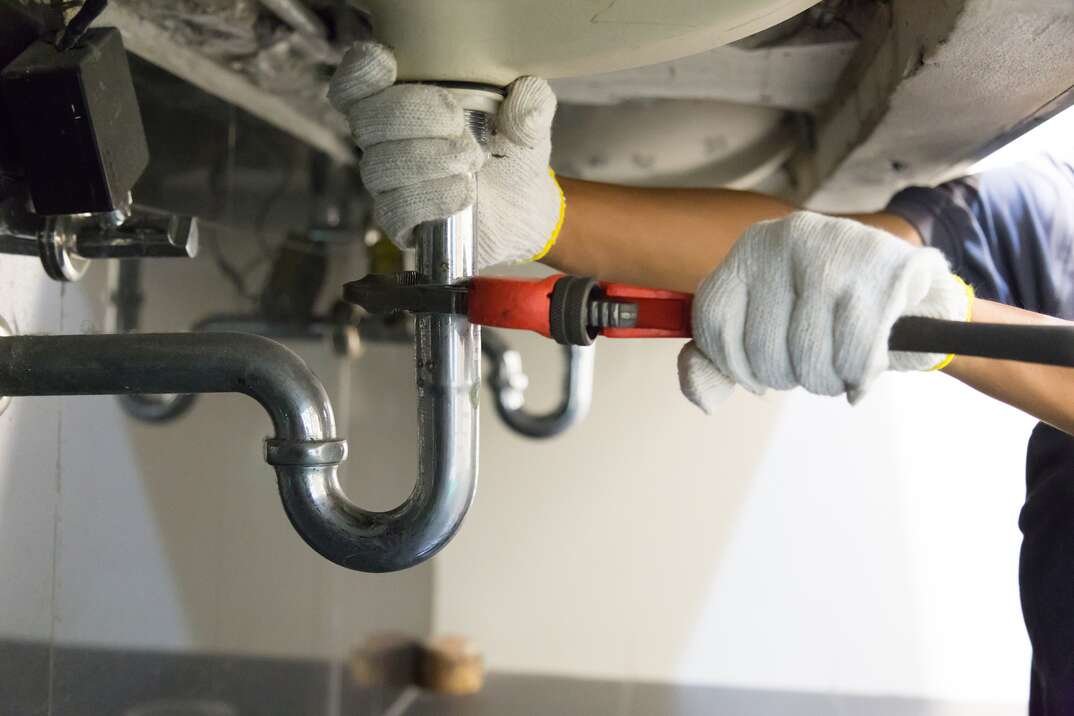
The installation should ideally be carried out by a qualified professional. Otherwise, improper installation could minimize the expected benefits or even further complicate certain mechanical and hydraulic aspects related to the fireplace itself.
Regular maintenance is essential
To ensure continuous and efficient operation, internal maintenance of the device is also essential. In particular, the salt level used for the ion exchange process should be checked periodically.
A cleaning routine that includes changing filters and manually or automatically activating regenerating cycles remains crucial to maintaining its primary, infallible task of limescale protection day after day. Simple adjustments will counteract potential external oxidation or unexpected internal damage.
- Check salt levels monthly.
- Have an annual technical inspection carried out by a recognized specialist.
- Carefully observe the manufacturer’s instructions and advice regarding storage and the original warranty period (if applicable).
Therefore, considering the installation of a water softener at home offers numerous direct and tangible benefits, improving daily life, protecting household infrastructure, and representing a conscious, long-term investment. Considering its unique and distinctive features, now would be a wise initiative driven by a genuine environmental concern and a commitment to high quality.